

Note: This post may contain Amazon affiliate links. If you purchase through these links, we may earn a small commission at no extra cost to you.
Why cleaning matters for boneless couches
A boneless couch is nothing but layers of foam wrapped in fabric. Without proper upkeep, that foam can flatten and the fabric can stain, leaving your “cloud couch” looking more like a matted pile of laundry. Cleaning experts recommend washing removable covers at least once a month and vacuuming the cushions weekly. Regular maintenance not only keeps your sofa looking and smelling fresh, it also helps the foam retain its bounce and extends the life of your investment.
Know your fabrics & care labels
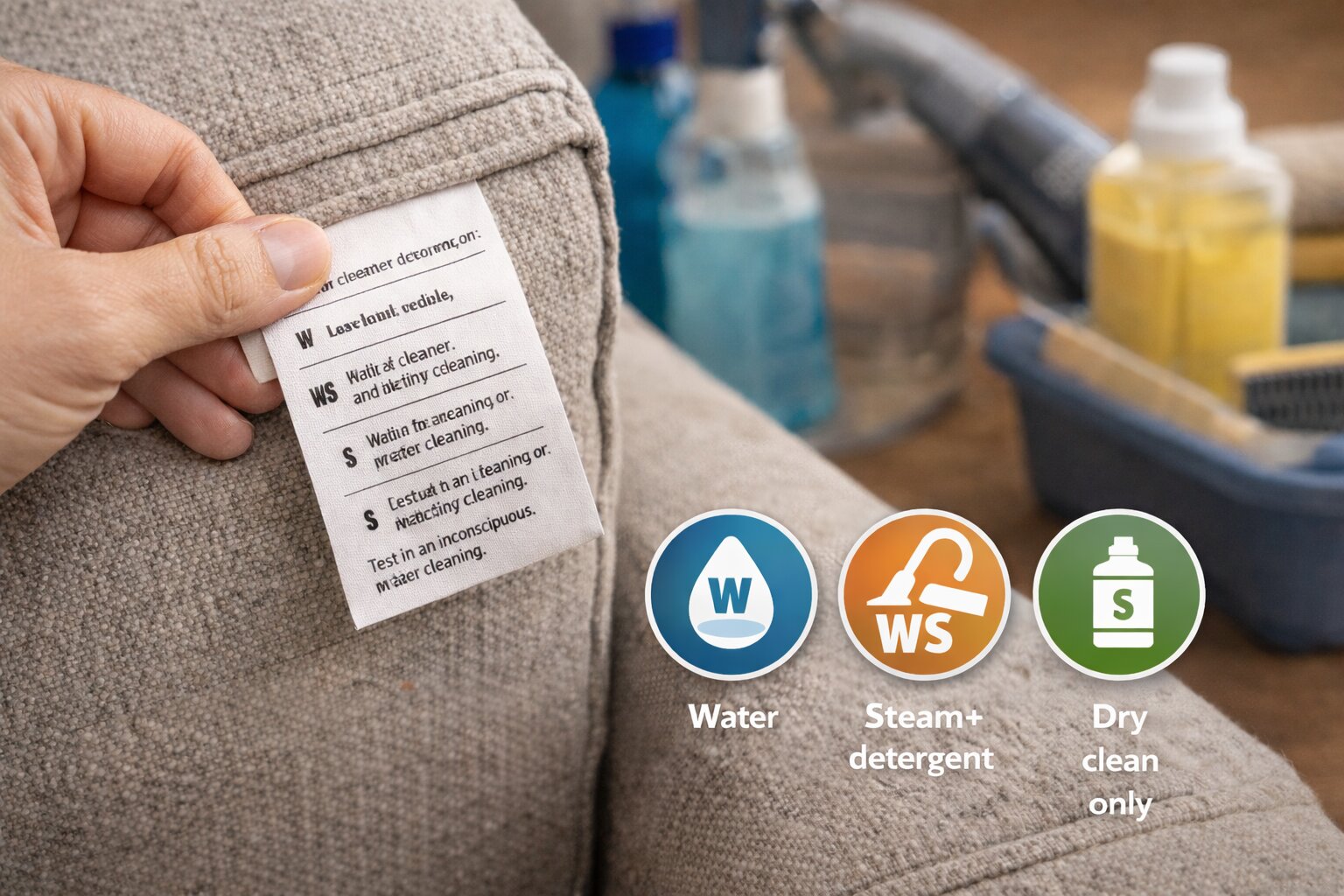
Before you grab the spray bottle, look at the tags on your cushions. Most covers have a cleaning code that tells you which products are safe:
-
W: You can use water when cleaning
-
WS: Mild detergent or solvent with a steam vacuum
-
S: Dry‑cleaner detergent only
-
X: Vacuum only; no liquids
Always test any cleaning solution on an inconspicuous spot to check for colorfastness. If your couch doesn’t have removable covers, follow the “WS” or “S” instructions carefully.
Routine maintenance: vacuuming & fluffing
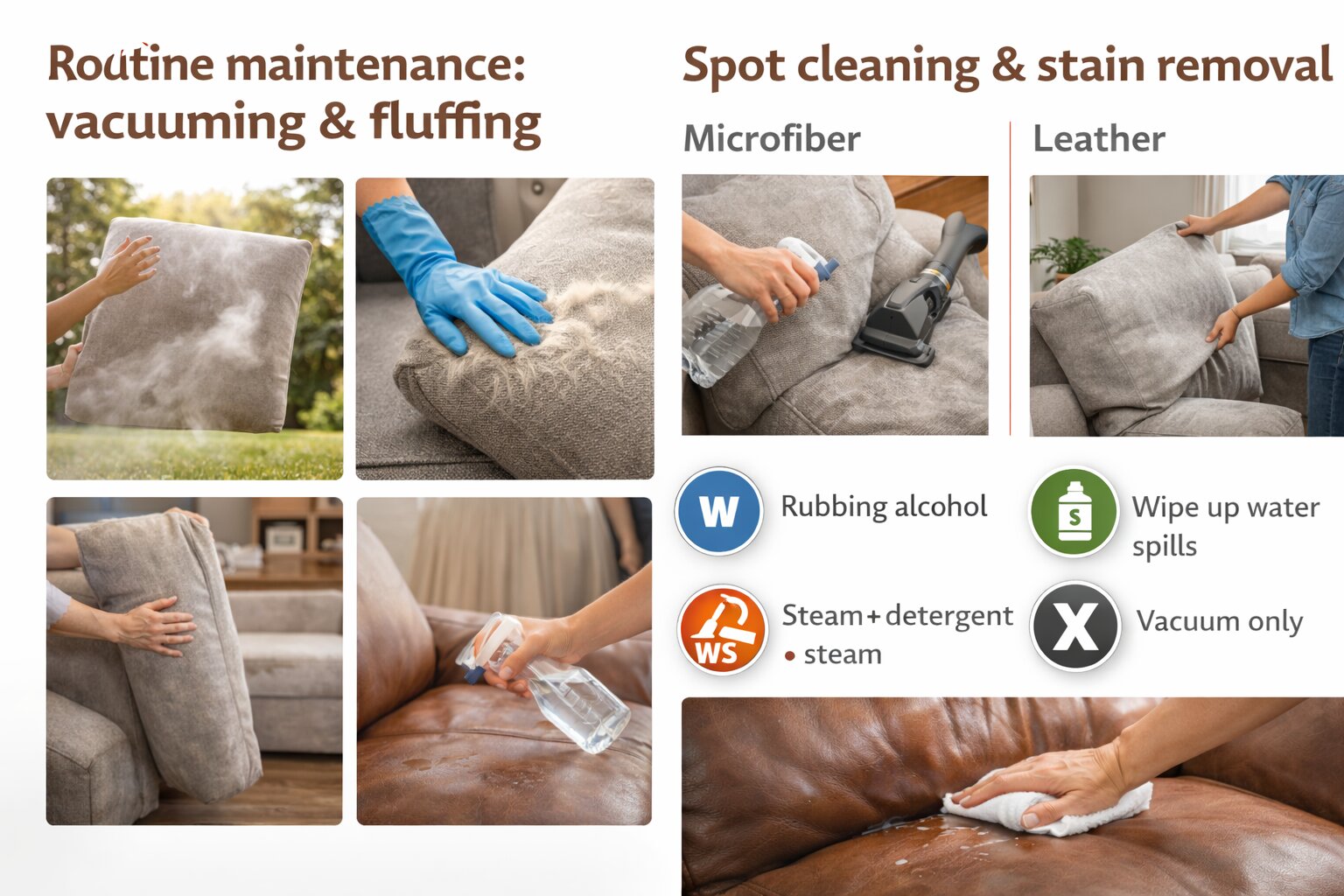
Dust, crumbs and pet hair work their way deep into foam and can speed up wear. Once a week, take the cushions outside and give them a good slap to loosen debris, then vacuum them thoroughly. Wear rubber gloves and run your hands over the fabric to lift pet fur. Use an upholstery attachment to get into crevices and along seams.
To keep the foam springy, rotate and flip the modules regularly so everyone isn’t always collapsing on the same spot. When you put the pieces back together, check that connectors or anti‑slip pads are still holding firmly.
Spot cleaning & stain removal
The right technique depends on the fabric:
-
Microfiber: Rubbing alcohol is ideal for removing stains on microfiber couches. Spray a small area, scrub gently with a white or light‑coloured sponge, and let the alcohol evaporate. Once dry, use a soft brush to re‑fluff the fibres. If you see a water mark, repeat the process with distilled water.
-
Leather: Wipe up water spills immediately with a soft white cloth to prevent them from setting. For older stains, gently dampen a cloth and wipe from the centre outward. It’s best to blend the stain into the surrounding area rather than try to lift it entirely.
For serious messes (e.g. pet accidents), blot up liquids right away and use an enzyme‑based cleaner designed for upholstery. After the cleaner dries, sprinkle baking soda on the area, let it sit overnight, and vacuum it up.
Cleaning removable covers
If your couch has zip‑off covers, remove them for a monthly wash. Use a gentle cycle with dye‑free detergent and air‑dry the covers instead of using high heat, which can shrink the fabric. If you need to hand‑wash, fill a tub one‑third full with cool water, add mild detergent, and agitate the covers gently. Rinse thoroughly and let them air dry.
Our recommendation for upholstery cleaning kit:
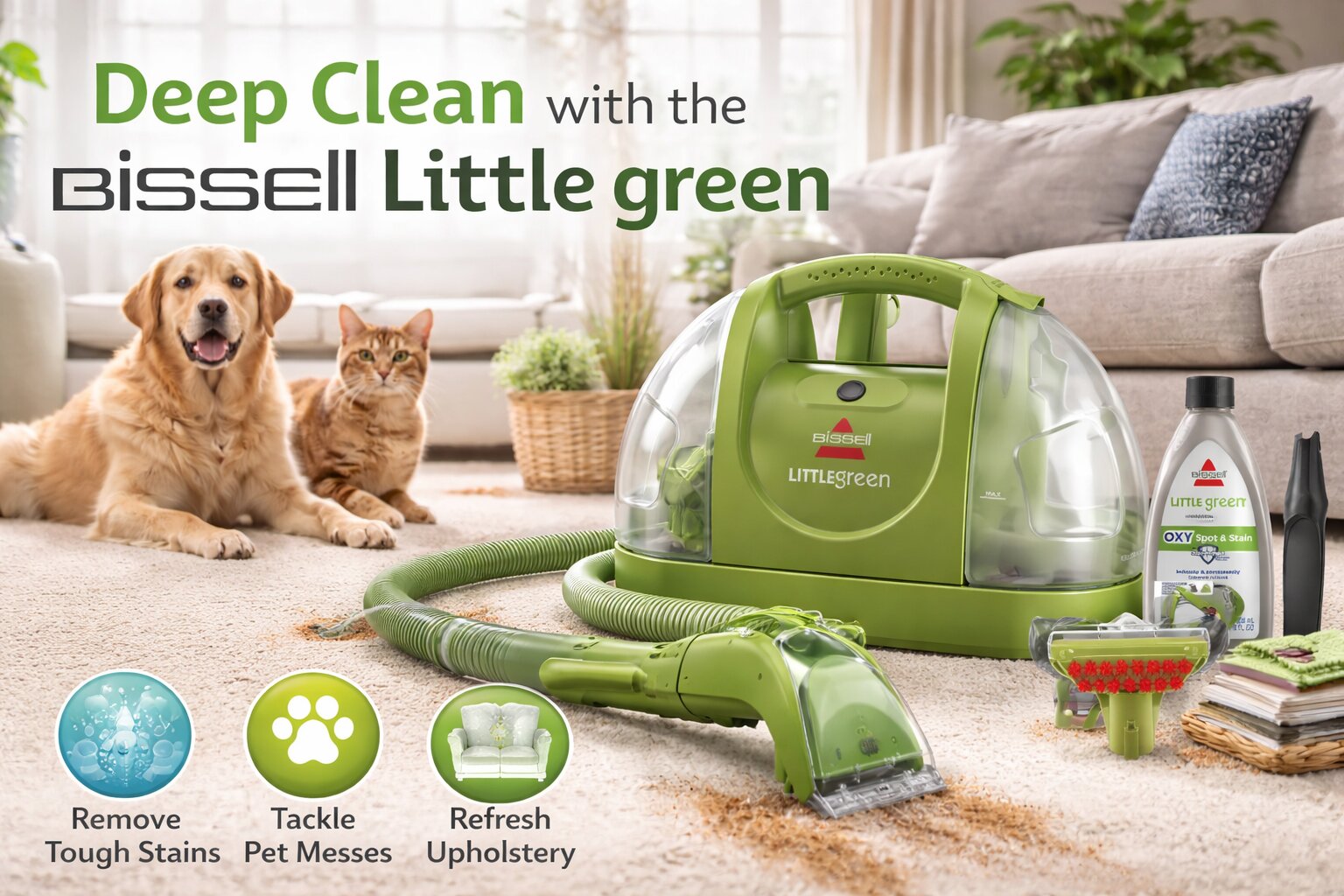
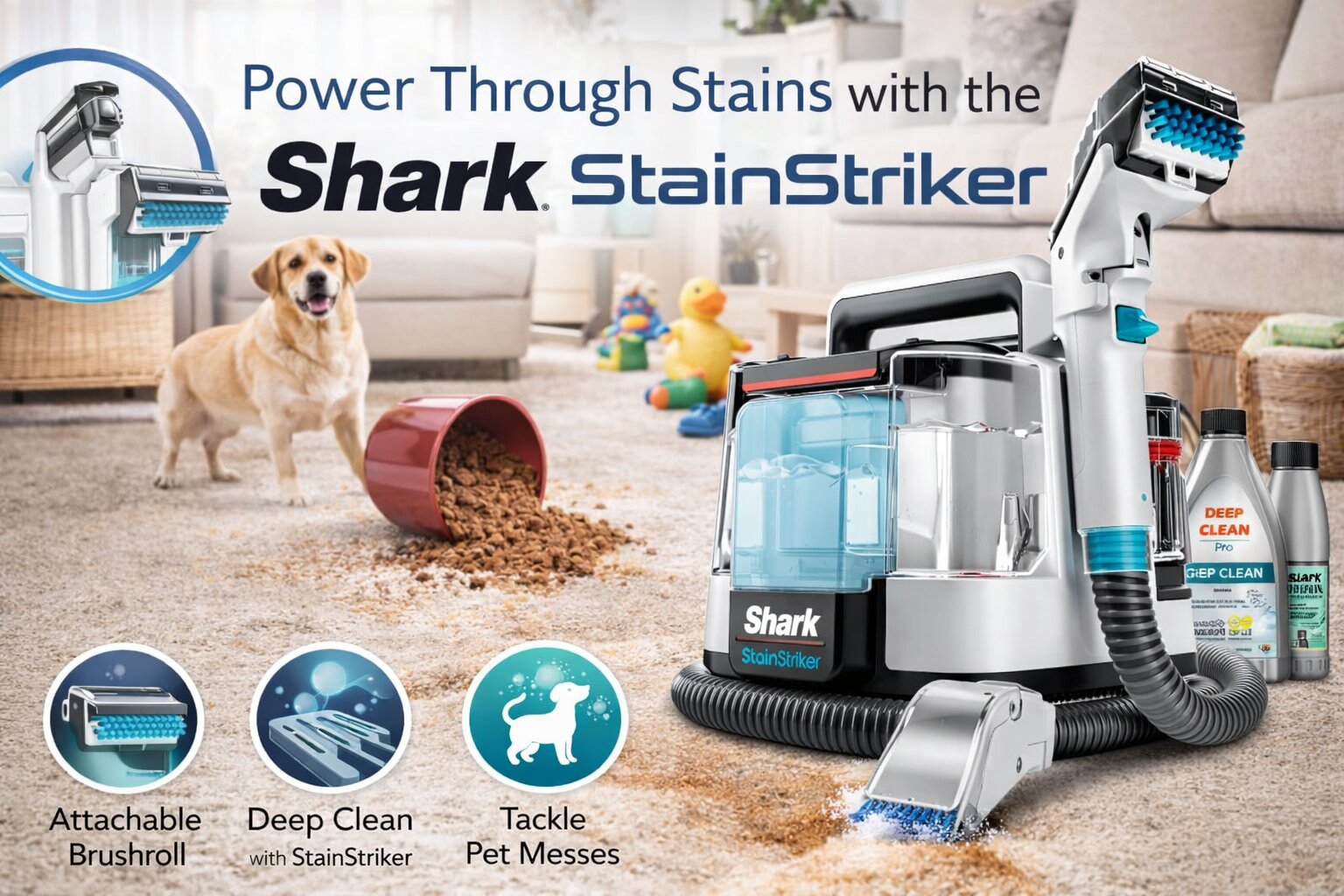
Affiliate disclosure: I’m part of the brand’s affiliate program, so I may earn a small commission if you buy through my link—at no extra cost to you. I only share what I genuinely experienced.
Cleaning non‑removable covers
For fixed covers, vacuum and spot clean as described above. Then mix warm water with a few drops of dye‑free dish soap and use a soft upholstery brush to lightly scrub the fabric. Wipe off residue with a damp cloth and allow the fabric to dry completely before sitting on it.
Cleaning foam inserts
Foam cores soak up spills like a sponge, so clean them carefully. Vacuum the insert first, then treat stains with a solution of warm, soapy water applied with a soft cloth. For deeper cleaning, fill a bathtub one‑third full with warm water and mild laundry detergent and gently squeeze the foam to saturate it. Rinse until the water runs clear, then add a vinegar rinse to neutralize odours. Squeeze out as much water as you can and set the foam in a well‑ventilated spot to dry completely. Replace the cover only when the foam is fully dry to prevent mildew.
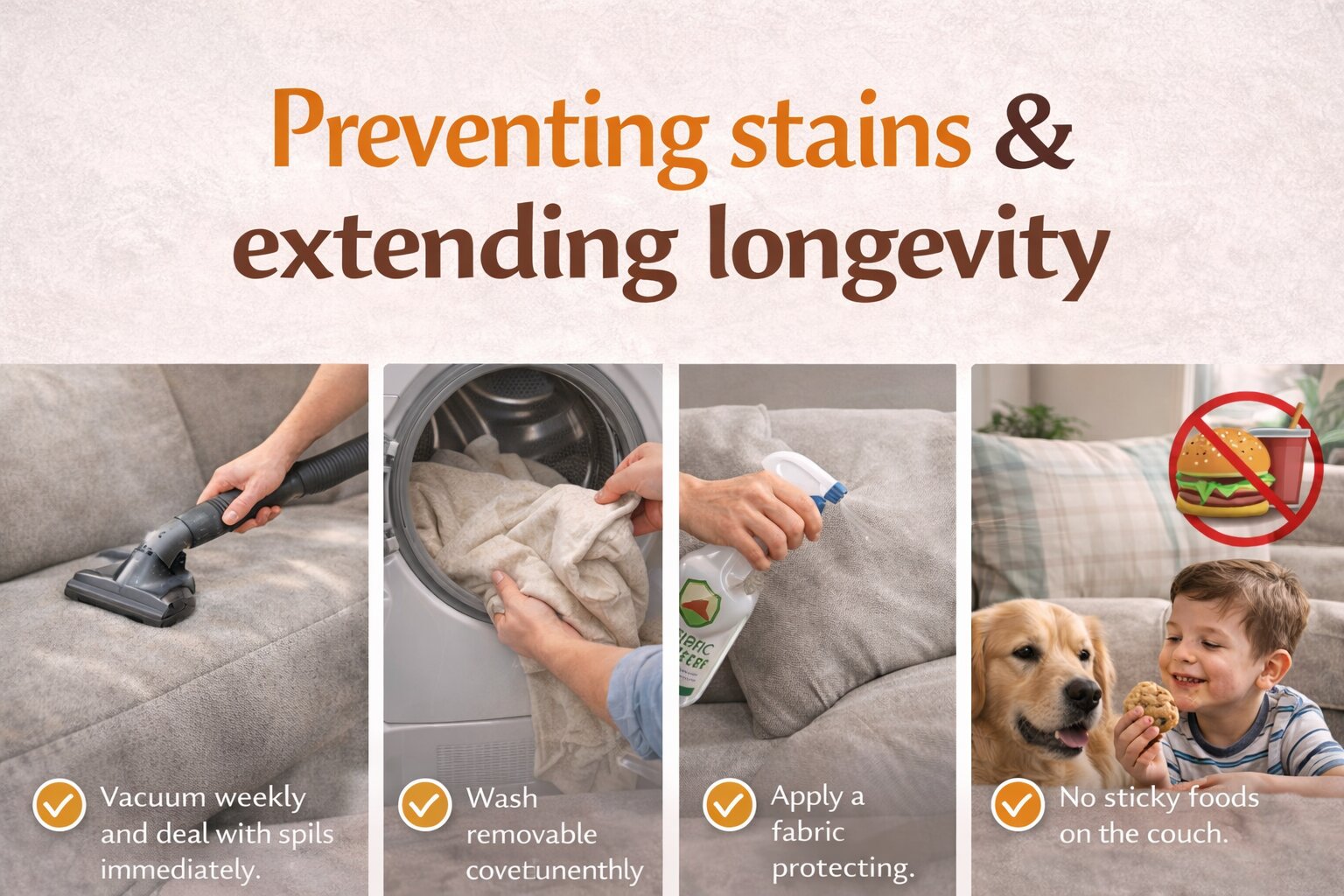
Preventing stains & extending longevity
A few simple habits will keep your boneless couch looking and smelling great:
-
Vacuum weekly and deal with spills immediately.
-
Wash removable covers monthly.
-
Apply a fabric‑protecting spray (look for formulas free of PFAS) to repel stains.
-
Use throw blankets or machine‑washable slipcovers for added protection.
-
Keep pets and kids from eating sticky foods on the couch when possible.
Conclusion & next steps
Keeping a boneless couch in good condition is all about regular care and quick action on spills. By vacuuming weekly, washing covers monthly and using the right cleaning methods for your fabric, you’ll keep your sofa soft, sanitary and family‑friendly for years to come. Proper cleaning also protects the foam, helping high‑density cushions last their full five‑to‑ten‑year lifespan.
Want to dive deeper? Our How to Choose a Boneless Couch guide explains the ins and outs of foam density, modular designs and fabrics. If you’re comparing options, read our Boneless Couch vs Traditional Couch article. Looking for product suggestions? Check out Top Boneless Couches for Families (2026). And if you run into issues like sagging or sliding modules, our Troubleshooting Boneless Couch Problems piece has practical fixes.
