
Note: This post contains Amazon affiliate links. If you buy through them, we may receive a small commission at no extra cost to you.
Why is the boneless couch trending?
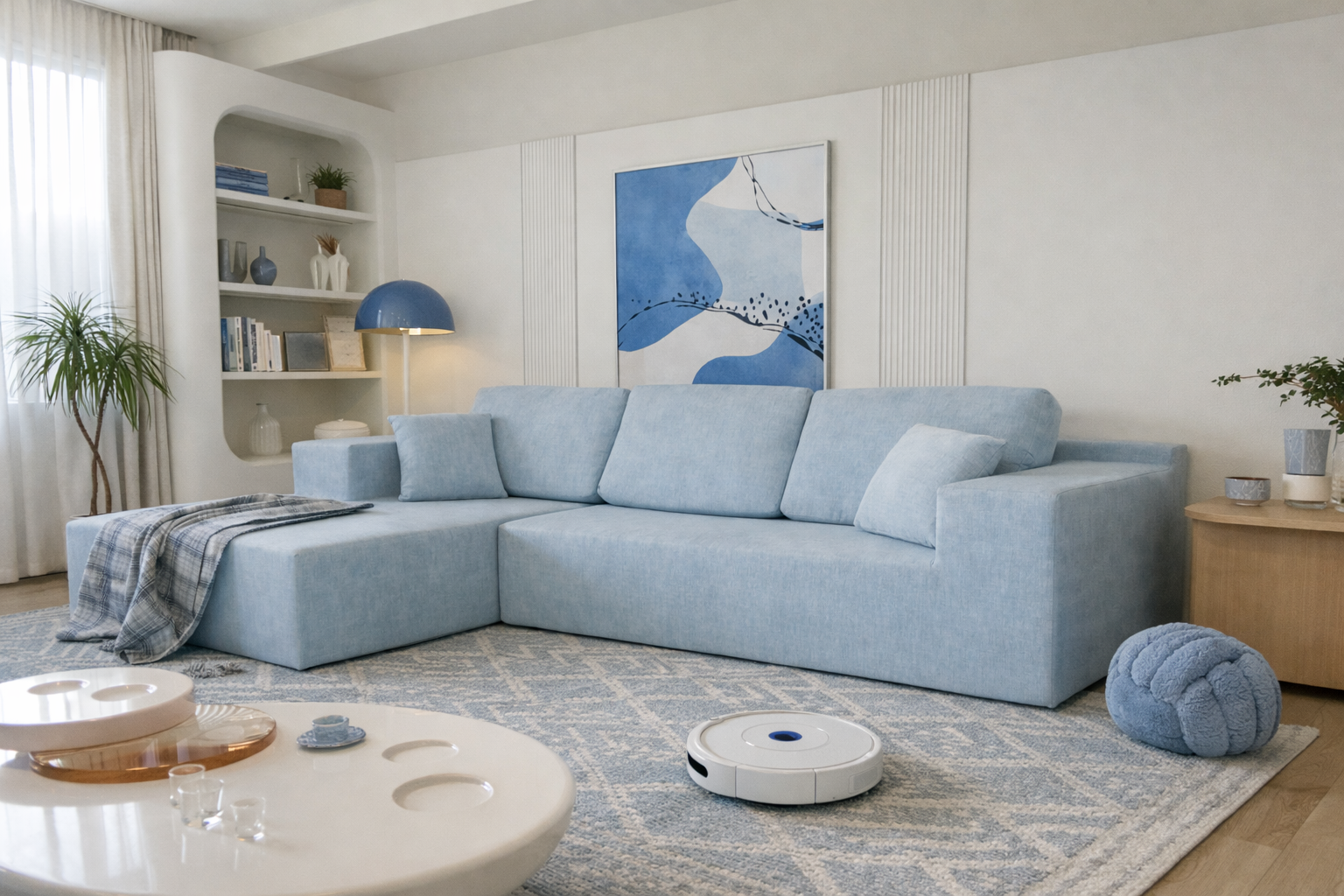
Scroll through TikTok or Pinterest and you’ll spot the soft, “cloud‑like” couches that come rolled up in a box. These boneless couches are having a moment because 2026 design trends favor rounded shapes, deep cushions, and tactile fabrics. At the same time, people living in apartments or smaller homes want furniture that’s easy to ship and maneuver. A boneless couch ticks both boxes – it’s made entirely from resilient foam and can be vacuum‑compressed into a compact package for delivery.
How to choose a boneless couch
We’ve broken down four essential factors so you don’t end up with an overhyped, underperforming sofa.
1. Foam quality & density
Since there’s no wooden or metal frame, the foam is the “backbone” of a boneless couch. Experts recommend looking for foam with a density of 2.8–3.2 lb/ft³ for everyday family use. Higher density means the couch will hold its shape and feel supportive longer; cheaper couches use lower‑density foam that flattens quickly. Layered construction—a firm base and softer top—also extends comfort and longevity.
2. Modular design & setup
Most boneless couches consist of separate blocks you can reconfigure into straight, L‑shaped or U‑shaped layouts. Because they’re frameless and vacuum‑sealed, they’re easier to ship and set up. Check:
-
The number of modules: 2–3 for small spaces, 4–5 for larger families.
-
Built‑in connectors: if there are none, consider anti‑slip pads.
-
Expansion time: allow 24–72 hours for the foam to fully re‑inflate before your kids launch themselves onto it.
3. Covers & fabrics
Prioritize removable, machine‑washable covers. Performance fabrics like chenille or polyester blends are durable and stain‑resistant. Trendy textures like bouclé, velvet or corduroy feel luxurious but may require more maintenance.
4. Budget & warranty
You’ll find boneless couches from a few hundred dollars up to a couple thousand. Overall they’re less expensive than traditional sofas because they’re cheaper to ship and store. Look for a foam warranty (often 1–5 years) and flexible return policies.
Product categories to consider
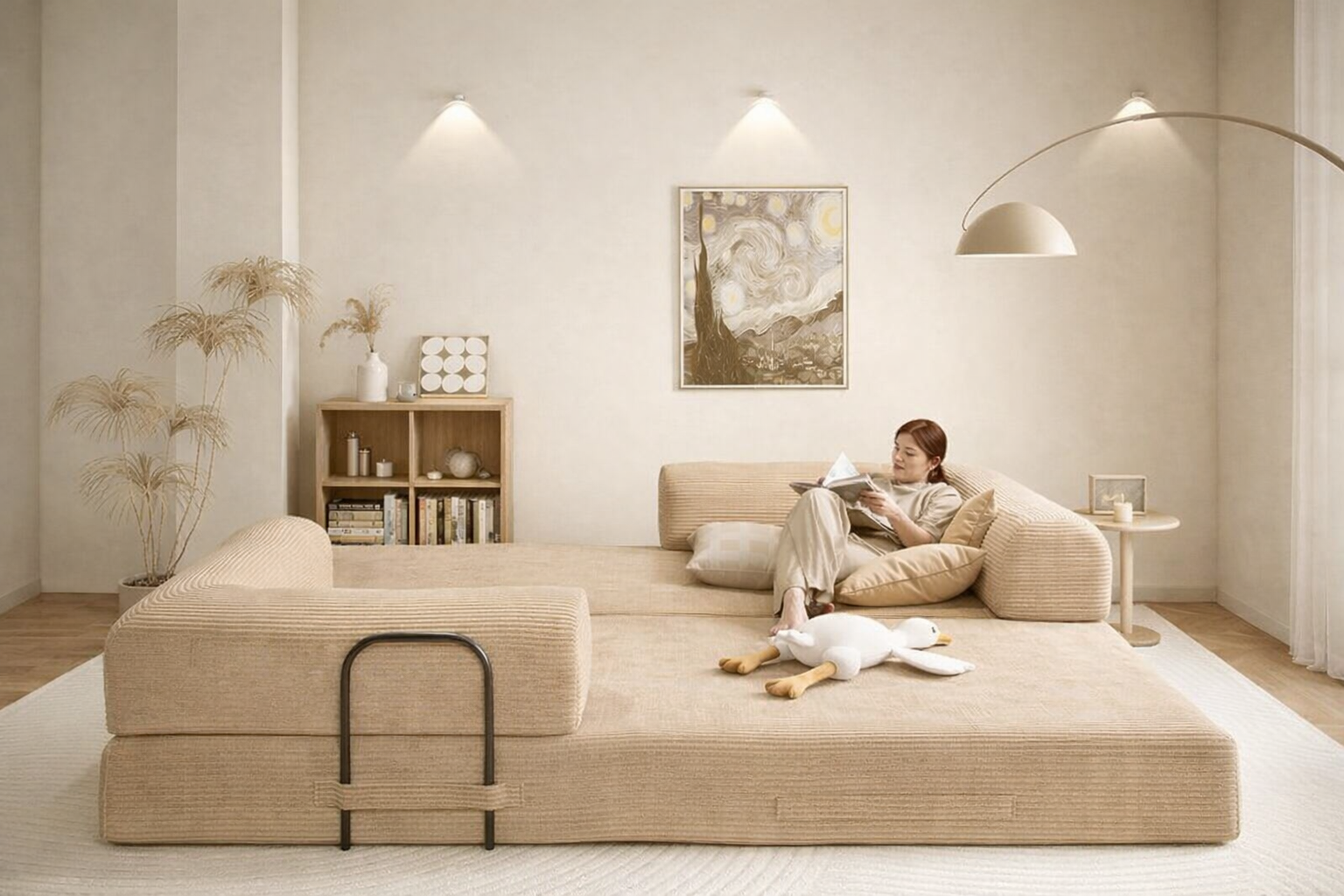
Here are four types of boneless couches to explore; instead of focusing on brand names, we highlight the features to look for.
Budget Pick – 2–3 modules
Ideal if you’re testing the trend or furnishing a kids’ playroom. Foam density around 2.5–2.8 lb/ft³ is adequate, and removable polyester covers keep things tidy. Expect prices around $300–$500. The trade‑offs: lower seating and modules that slide on hard floors.
Premium Pick – 4–5 modules
Great for a main living room. Multi‑layer foam ≥3 lb/ft³ ensures long‑term support and the higher back height makes it comfortable for adults. These models often come with sturdy connectors and luxe covers like performance velvet. Prices range from $800–$1,500.
Modular Sectional
A flexible 5–6‑module setup that can transform from a straight sofa into an L‑ or U‑shaped sectional. Perfect for open layouts and growing families. Look for locking mechanisms and anti‑slip grips to keep pieces together.
Kids Play Couch
Lightweight modules, highly durable foam and removable cotton or microsuede covers. Dark colours or fun patterns help hide stains. Ideal for playrooms or movie‑watching corners.
Pros & cons of boneless couches
Pros:
-
Easy delivery & setup: Vacuum‑sealed packaging means it arrives like a mattress in a box.
-
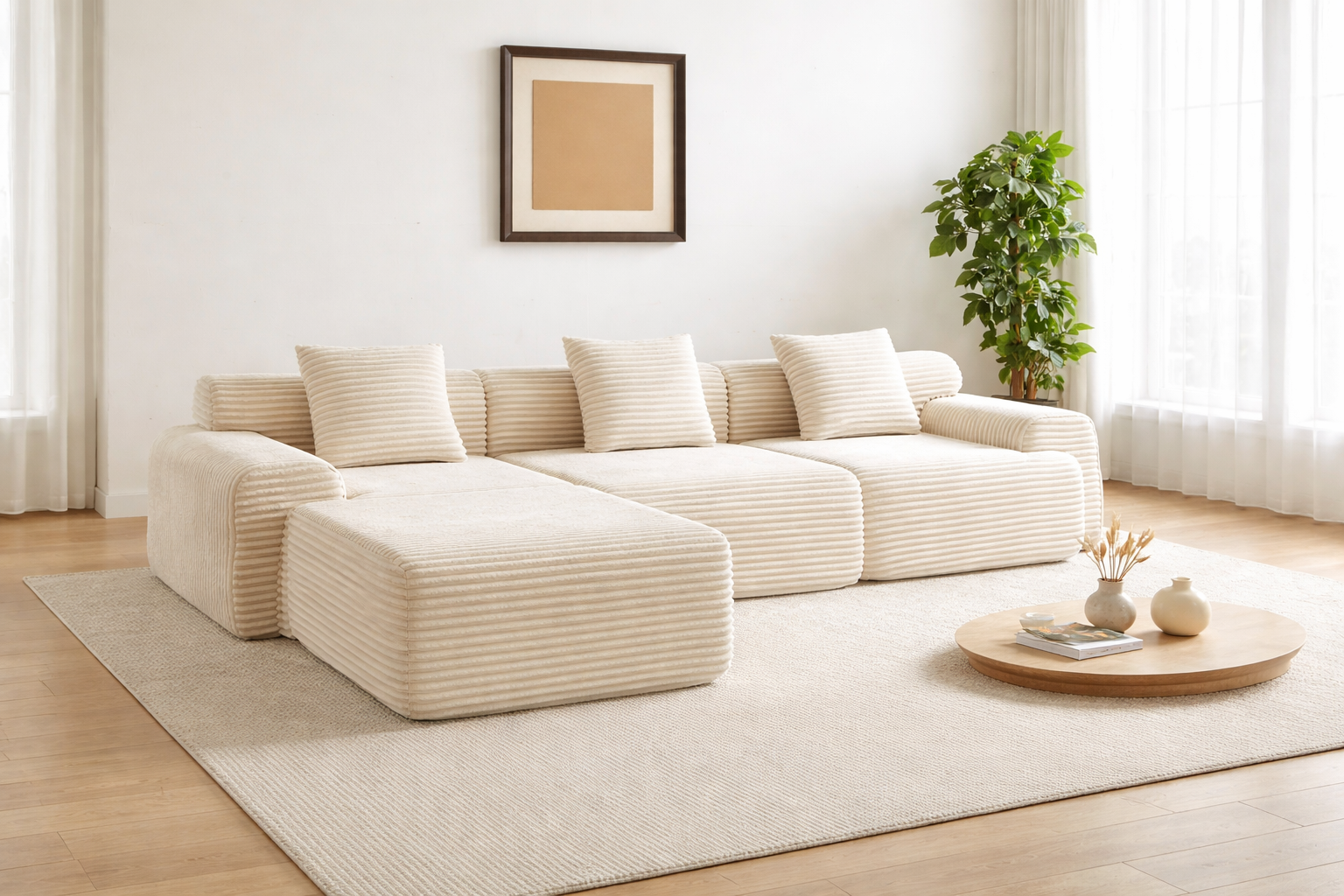
Soft & flexible: It feels like sinking into a giant pillow and you can reconfigure it as needed.
-
Kid‑safe: No hard frame or sharp corners.
-
Affordability: Generally cheaper than traditional sofas of the same size.
Cons:
-
Low seating & limited back support: Some designs sit very low and may not suit older adults.
-
Sliding modules: Without connectors, pieces can separate when kids jump around.
-
Foam that flattens: Low‑density foam will compress and lose shape within a year or two
Final thoughts & recommendations
If you want a cosy, adaptable lounge area without the hassle of moving a bulky frame up three flights of stairs, the boneless couch is a great fit. Focus on foam density, modular design, washable covers and budget. Then decide which type fits your space: small and affordable for a kids’ zone, premium for the main living room, modular sectional for versatility or a play couch for younger kids.
Ready to browse? Check out some of the most popular boneless couches on Amazon:
Affiliate disclosure: I’m part of the brand’s affiliate program, so I may earn a small commission if you buy through my link—at no extra cost to you. I only share what I genuinely experienced.
Further reading:
-
Boneless Couch for Families: Our Real‑Life Guide – our pillar article.
-
How to Choose a Boneless Couch – a detailed buying guide.
-
Boneless Couch vs Traditional Couch – a comparison of structure and durability.
-
How to Clean a Boneless Couch – step‑by‑step cleaning tips.
-
Is a Boneless Couch Good for Families With Kids? – our existing post on safety.
